Chemistry Laboratory
What makes us capable of being pioneers in analysis?
As it’s obvious to scientists and industries, analysis pieces of equipment and methods are the beating heart of a Research center. Besides skilled experts and continuously updating standards of test methods, the FIMRC can perform many analyses of Iron ore and pellets compared with global pioneer companies. FIMRC has achieved conformity with ISO/IEC 17025 from NACI to keep track of national standards for iron ore and pellets.

CLASSIC WET-CHEMISTRY METHODS
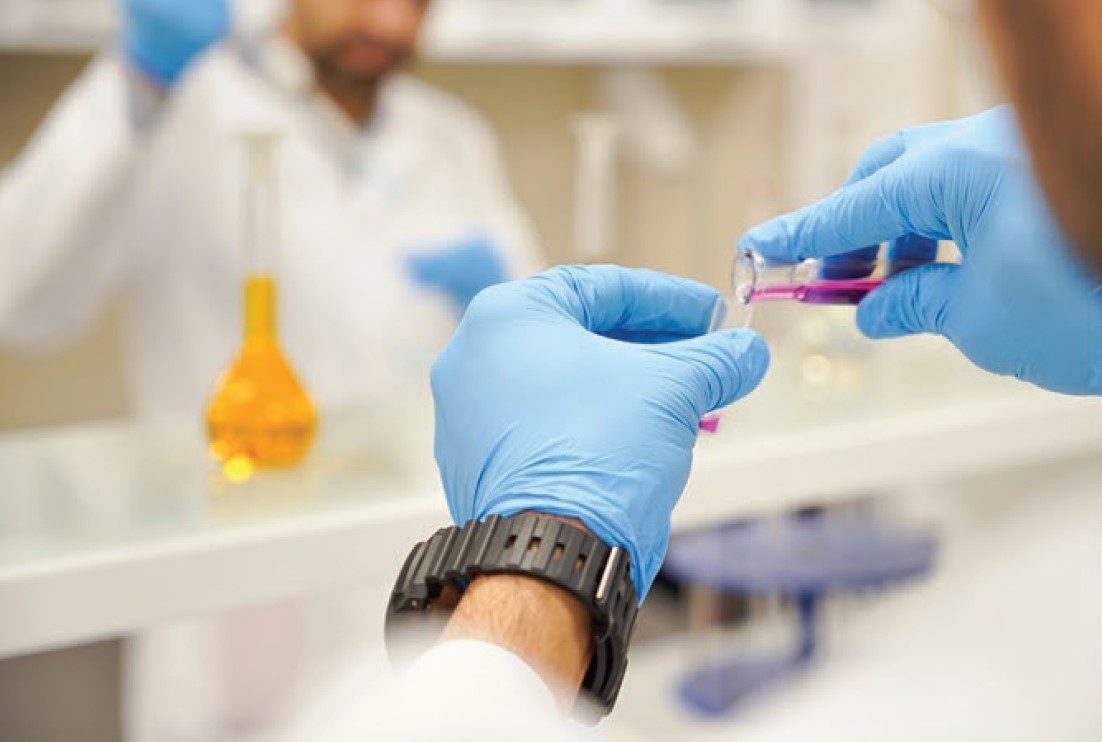
It’s been thirty years since we employed wet chemistry methods to assay heavy metals of the periodic table of elements and impurities like silica, phosphorous, and sulfur using the latest updates of ISO/IEC for each element.
The methods include titrimetric, gravimetric, and Calcination, which are the most common techniques that we perform. Entrance of samples with completely different mediums from numerous origins – local and the other continents- to FIMRC and performing inter-lab controls open up the window analysis for any kind of mineral samples.
Instrumental Chemistry
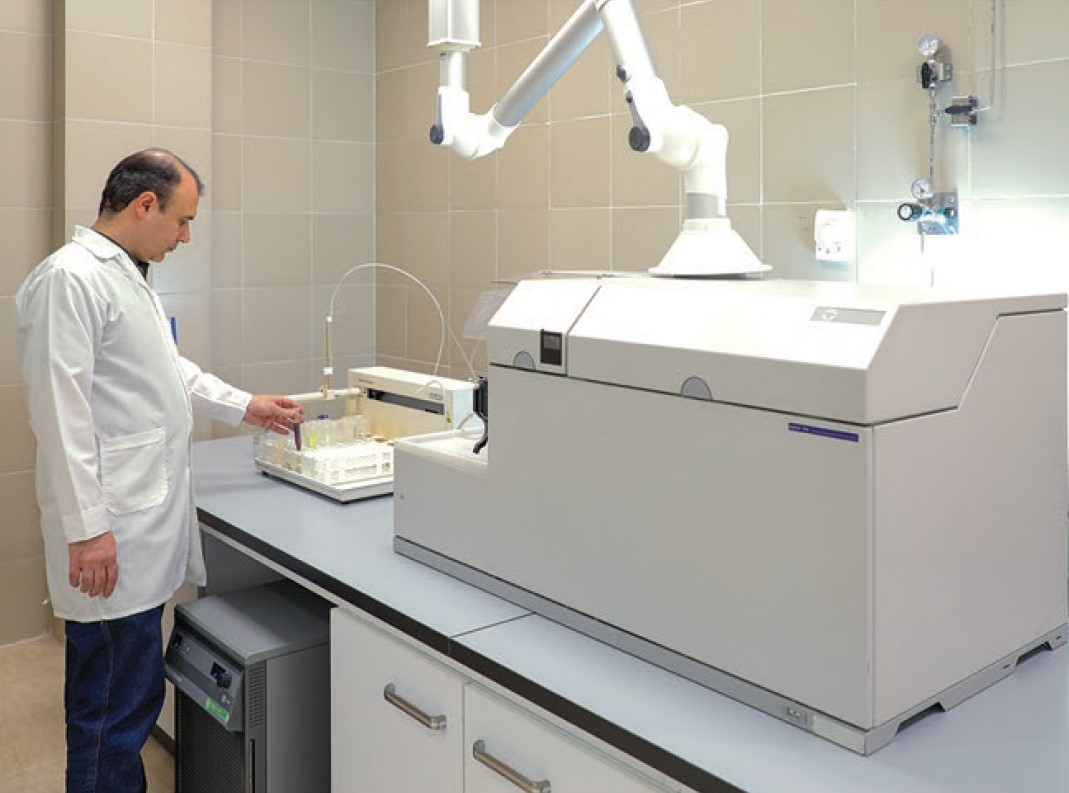
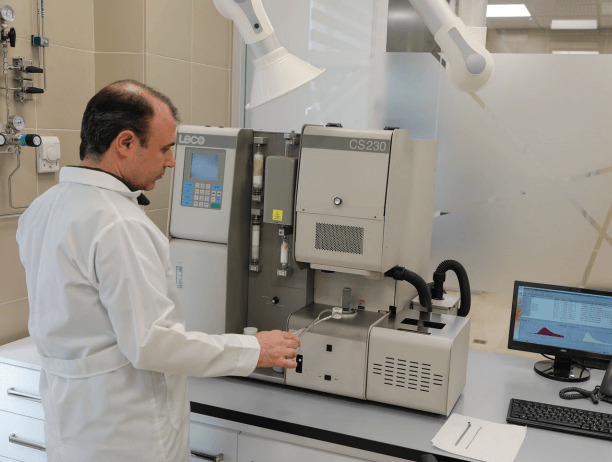
The instruments that we benefit from respectively are the X-ray spectrometer (XRF), which analyzes solid samples, and ICP-MS which just used for dissolved and digested samples. They can be used for determining more than 80 elements of the periodic table in a safe, simple, fast process. Also, FIMRC benefits from a CS analyzer that determines the sulfur and carbon contents of the samples by oxidizing these elements to a volatile gas. In addition, the measurements of UV-Vis active compounds for example phosphorous and copper complexes are performed by spectrophotometry.
XRF and ICP Instruments
The instruments that we benefit from respectively are the X-ray spectrometer (XRF), which analyzes solid samples, and ICP-MS which just used for dissolved and digested samples. They can be used for determining more than 80 elements of the periodic table in a safe, simple, fast process. Also, FIMRC benefits from a CS analyzer that determines the sulfur and carbon contents of the samples by oxidizing these elements to a volatile gas. In addition, the measurements of UV-Vis active compounds for example phosphorous and copper complexes are performed by spectrophotometry.